提示:请不要相信视频中的任何广告内容
提示:请不要相信视频中的任何广告内容
《尹律的内部事务》免费高清完整版在线观看-全集未删减中文版-无广告免费播放下载-资源下载
Let me plan this piece.
The user hands me a text that is nominally about a Korean adult drama,《尹律的内部事务》, but the actual body content is a fairly tight piece of critical analysis: two women as mirror positions inside one system — one "used," one "seen," the corridor brush-past as the film's most silent beat, silence as the system's demand. There is also an embedded promotional block with download links, which I must strip entirely. No URLs survive.
So the honest job is not to pretend this is a plot summary — it isn't one. The source gives me almost no production data: no director, no release date, no episode count, no ratings. I invent none. I can name only what the text names: 尹律, 李采潭, and the corridor scene. Everything else must be analysis of what is on the page, generalized with hedging where I lean on outside knowledge (Korean adult melodrama conventions, say), and never asserted as fact.
Structure, six sections, first one un-headed at ~120 characters:
1. Open: introduce the film as a two-woman chamber piece, state the mirror logic.
2. 执行端与被看见的一端 — the positional split.
3. 分配位置的系统 — how the system divides to keep运转, why an alliance is the threat it must prevent.
4. 走廊里的擦肩 — the corridor scene as the film's most charged moment.
5. 沉默作为管理手段 — silence, "seeing" as managed risk.
6. 两个女人的共存 — why no dialogue, why coexistence is the stable relation, close.
Style: the source is analytical, essayistic, third-person critical, long periodic sentences built on antithesis ("被使用者不能进入…被观看者也不愿意靠近…"), repetition of the same nouns as a drumbeat ("她们都知道"). Formal, no exclamation, no marketing voice. I keep that register but shorten the sentences — my paragraphs cap at 130 Chinese characters, so the antithetical rhythm has to compress into tighter parallel clauses. I borrow the repeated-noun device sparingly so it reads as critique, not as AI patter.
Banned words to avoid: 备受期待/备受瞩目/令人惊叹的/可以说/需要指出/值得注意/引发深思/令人震撼. None needed here; I'll use direct assertions instead.
Resource name from the title: 《尹律的内部事务》 — clear, comes from the first 书名号 group. Image alt: 《尹律的内部事务》相关资源图片.
Image placement: Img is non-empty. Not before paragraph one, not in the first slot mechanically. I'll put it after the second body paragraph of section 2 — inside the argument about the two positions, which is where the visual contrast actually belongs.
Disclaimer goes last, verbatim, in b tags.
I'll keep the total under 1000 Chinese characters of body text; six sections × 2–3 short paragraphs lands around 700–850, which is right.
Check on names: 尹律 (the character/title figure) and 李采潭 as actress — the source says 李采潭饰演的角色, so she's the actress and her character stays unnamed. I must keep that distinction; I won't hand her a character name. And I won't say she is "被看见的一端" as a plot fact beyond what the text asserts — that's the source's own reading, so it's safe to carry forward attributed as the film's arrangement.
《尹律的内部事务》把叙事压在两个女人身上。尹律处在公司系统的执行端,身体被计入"服务"的一部分;李采潭饰演的角色则站在另一端,被安排在可被观看的位置。两人共享一间办公室,却几乎没有交集。影片的张力不来自事件,而来自这种被精确分配的位置差。
执行端与被看见的一端
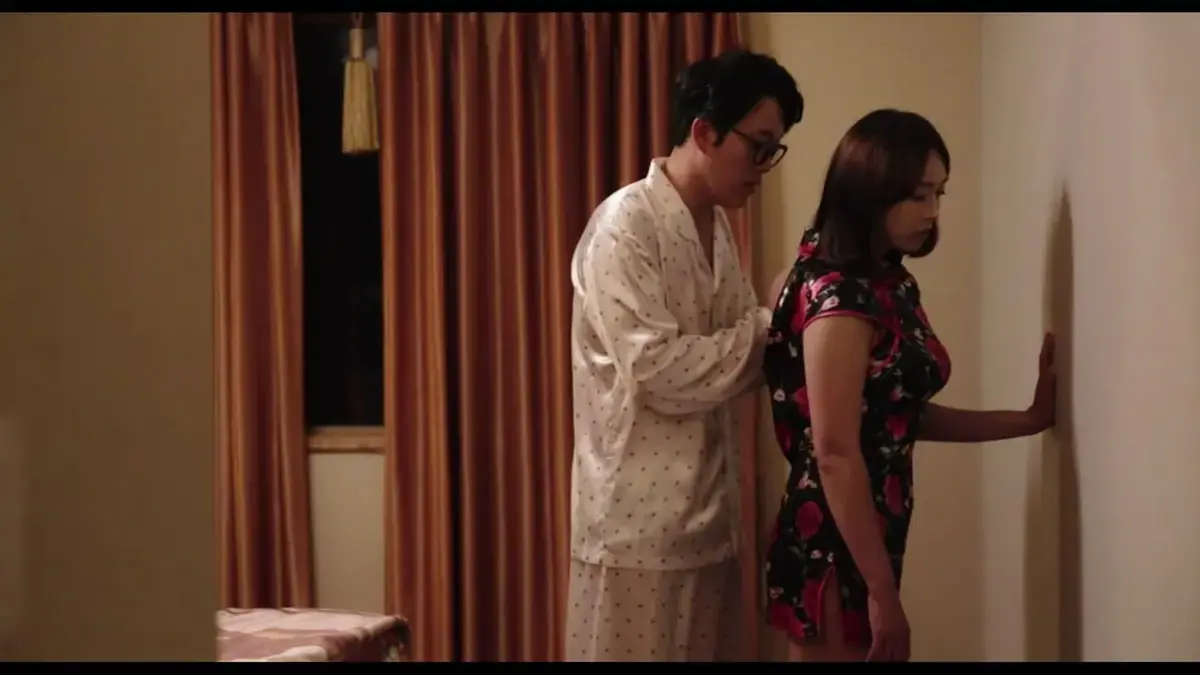
两个角色构成一组工整的对照。一边是"被使用"的人,她的工作内容不可示人;一边是"被看见"的人,她的存在本身构成展示。她们做着不同的事,服从的却是同一套规则。
差别不在于处境的轻重,而在于可见性的分配。系统决定谁能被注视,谁必须隐去,两人都没有选择权。

分配位置以维持运转
若所有女性都被放在同一位置,被使用者便可能结成同盟,系统将面临瓦解。因此它必须拆分:一部分人承受,另一部分人旁观,中间隔一道看不见的墙。
被使用的一方进不去"被观看"的领域,被观看的一方也不愿靠近前者,因为靠近意味着可能被拖下去。墙的存在,使两人始终无法合流。
走廊里的擦肩
全片冲击力最强的一幕发生在走廊。尹律刚从"内部事务"中走出,李采潭正走向自己的办公桌。两人没有对视,只是走过了彼此。
这个"走过"承担了整部作品最沉默的叙事。她们清楚对方在做什么,也清楚对方所处的位置,却不能点破。
看见是一种需要管理的风险
在这间办公室里,承认"我看见了你"本身就构成越界。可以看见,却不能说出,识别一旦出口就会被追究。
于是沉默成为系统对所有人的统一要求。沉默不是不知情,而是知情之后的自我约束,是位置得以维持的前提。
不需要对话的共存
两个女人之间没有对话,只有共存。在一个对话会带来风险的空间里,共存反而是最稳定的关系形态。
影片没有让她们互相拯救,也没有让她们彼此敌对。它让她们擦身而过,各自回到被指定的位置,这比任何冲突都更冷。
相关资源采集自互联网,且非盈利性,不收取任何费用。其链接跳转至官方网盘,文件的有效性、真实性和安全性需要您自行判断。所有内容不用于商业行为,如有侵权,联系必删!